7 Terminal Howto
How to run programs using the terminal
The terminal
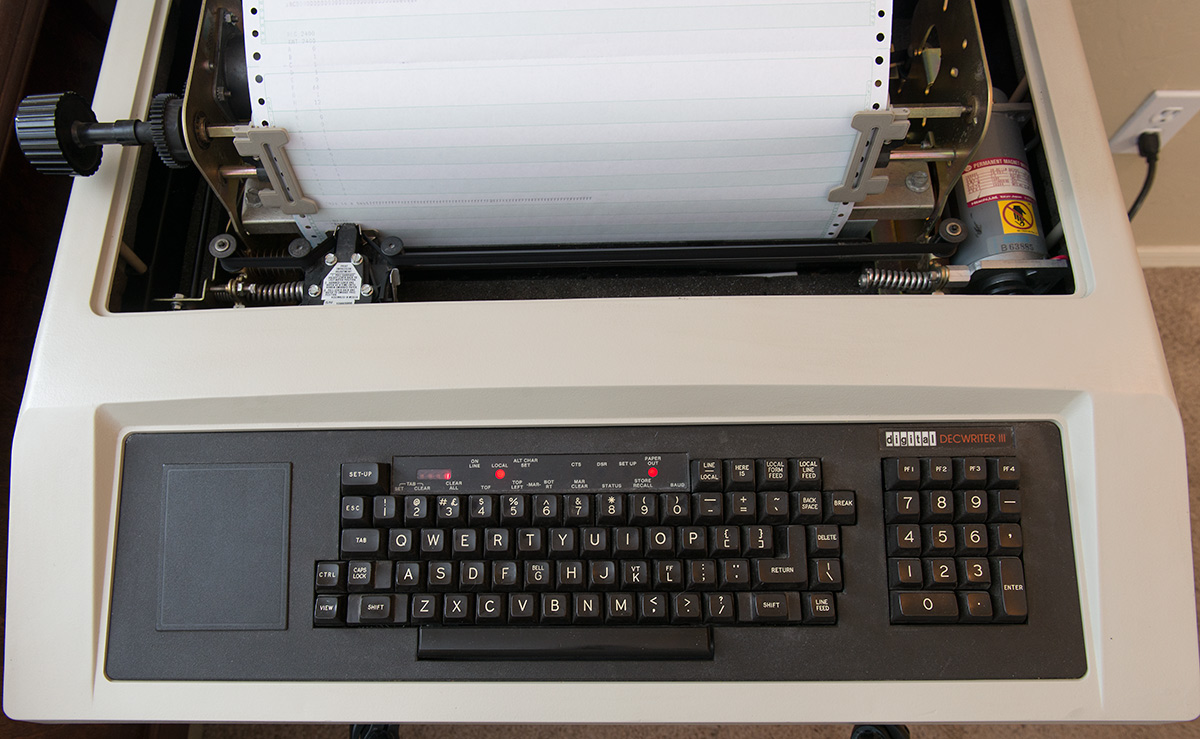
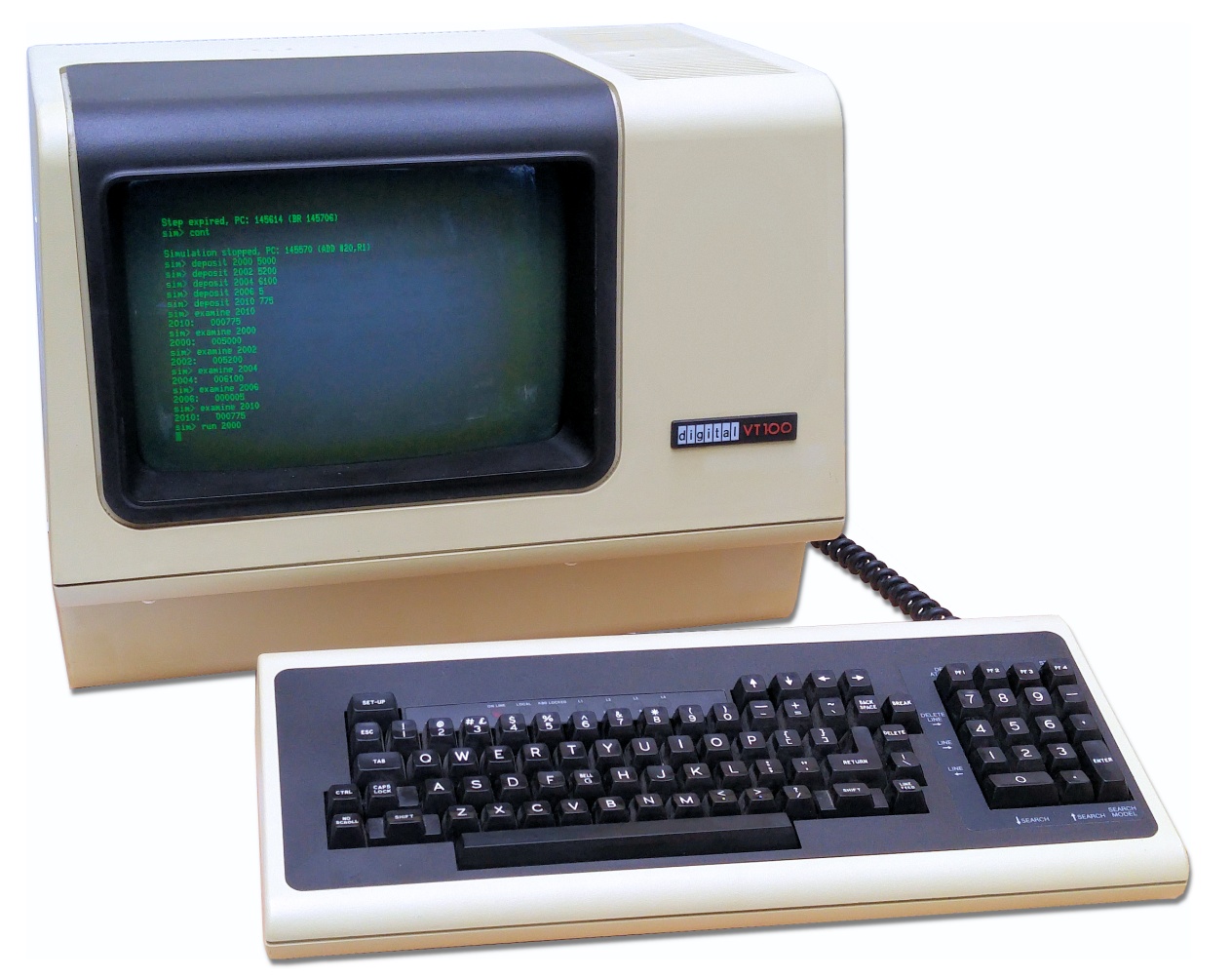
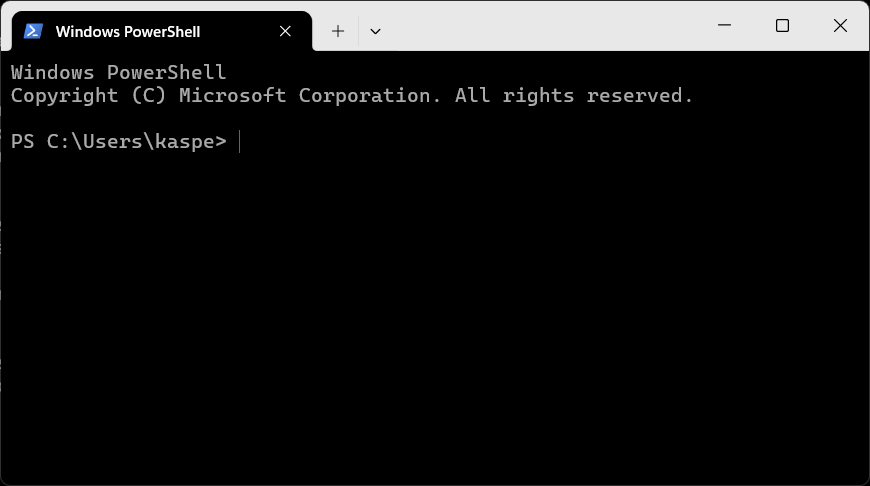
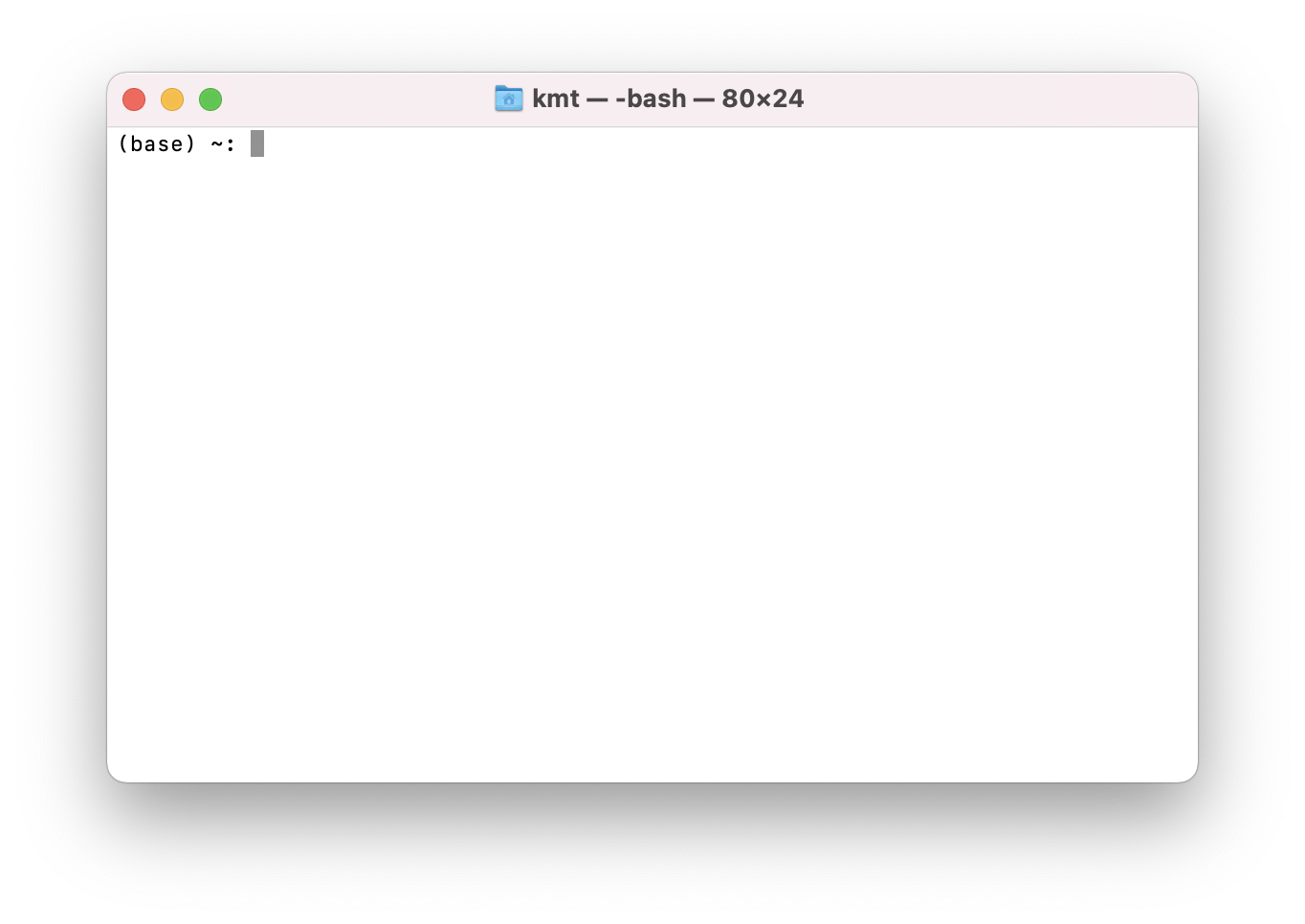
Before the invention of the graphical user interface and the computer mouse, typing the keyboard of a machine called a terminal, was the only means of input. That input would be sent to a computer too large to fit under a desk. Once receiving a reply from the computer, the terminal would print this onto a roll of paper. This is the reason why output functions of modern programming languages like Python are still called print even though that is no longer what they do. The LA120 Figure 7.1 (a), introduced in 1978, was the one of the last printing terminals. They were replaced by video terminals like VT100 Figure 7.1 (b) showing both input and output as green text on a cathode-ray tube screen. For power-users like you (are going to be), the terminal is still the best way to use a computer. Modern terminals like Windows PowerShell Figure 7.1 (c) and the macOS Terminal Figure 7.1 are software applications that imitate a VT100 sitting on a desk in 1978. Since both Terminal and PowerShell are terminal applications, we will refer to both as “your terminal” in this course.
Let us have a look at how they work. On Mac, open the application called Terminal. You can find it by typing “Terminal” in Spotlight Search. When you start it, you will see something like Figure 7.1. On Windows, you may have several PowerShell variants, but be sure to open the one just called “PowerShell” exactly. You should be able to find it from the Start menu. When you do, you should see something like Figure 7.1 (c). As both Terminal and PowerShell are terminals, we will refer to both as “your terminal” in this course.
Your terminal is just the window application that shows characters like the cathode-ray class screen of like VT100. What emulates the internals of VT100 and the communication with the computer is a program that running inside the terminal called the shell. This is not a distinction you need to worry about, but it is the reason why we sometimes use the words “terminal” and “shell” somewhat interchangeably. You can use your terminal to send instructions to the machine just below your laptop keyboard, but just like the original terminals you can interact computers far away too, any computer in the world you know the password to in fact. So the terminal is not a nostalgic leftover. It is the original and direct conversation with computers.
Using the terminal
Your terminal does two things for you. It lets you walk around the folders on your computer, the same folders you see in Finder on a Mac and in File Explorer on Windows. And it lets you run programs. You do both in the same way: you type a line of text, you press Enter, and the machine does what the line says.
The place where you type is called the prompt. The terminal prints it and then sits there waiting for you. It looks different on the two platforms, but it tells you the same thing: which folder you are standing in right now. Both terminals start you off in your own user folder.
The prompt usually shows your user name, your machine, the folder you are in, and then a % (on some machines a $):
Terminal
kasper@MacBook ~ %The ~ is the folder. It is shorthand for your own user folder, the one you start in.
The prompt begins with PS, for PowerShell, and then writes the folder out in full:
PowerShell
PS C:\Users\kasper>In the examples below I leave the prompt out and show only what I type, with whatever the terminal prints back underneath it.
Let us find out where we are. Type pwd and press Enter. It is short for “print working directory”, and it prints the folder you are standing in.
Terminal
pwd
/Users/kasper
That line is a path: the full address of a folder. Read it from left to right and it is a route. There is a folder called Users at the top of the disk, and inside it a folder called kasper, which is the one I am standing in. A Mac starts the route at the top of the disk and separates each step with a forward slash, /.
PowerShell
pwd

Path
----
C:\Users\kasper
Ignore the little Path header PowerShell puts on top. The line underneath it is a path: the full address of a folder. Read it from left to right and it is a route. There is a disk called C:, on it a folder called Users, and inside that a folder called kasper, which is the one I am standing in. Windows starts the route at the disk and separates each step with a backslash, \.
Apart from where the route starts and which way the slash leans, the two are the same idea, and either way it is the same path your prompt is showing you. From here on I show my Mac; on Windows the commands are the same and only the paths look different.
Now let us see what is in here. The ls command (l as in Lima, s as in Sierra) lists the contents of the folder you are in:
Terminal
ls
Desktop    Documents   Downloads   Movies   Music   Pictures
Windows prints the same names in a table with a size and a date beside each one, which is more than we need, but it says the same thing.
Every one of those names is a folder, and you can walk into one with cd, short for “change directory”. Unlike pwd and ls, it has to be told which folder, so you type the name after it:
Terminal
cd DownloadsIt seems that nothing happened. Look at the prompt, though: it now says ~/Downloads on a Mac and PS C:\Users\kasper\Downloads on Windows. And pwd agrees:
Terminal
pwd
/Users/kasper/Downloads
We took one step down the route. To walk back up to the folder we came from, use cd again, this time with the special name .., which always means “the folder one level up”:
Terminal
cd ..
pwd
/Users/kasper
Now look at the shape of every line we have typed. The first word is the name of a program. pwd is a program, ls is a program, cd is a program, and pressing Enter is what sends the terminal off to run it. Everything after that first word is an option you hand to the program to tell it what to do. pwd takes no options, because there is only one thing it can tell you. cd takes one: the folder you want to walk into. That is the entire grammar of the terminal, and it does not change for bigger programs. Later in the course you will type lines like python hello.py, and it is the same two parts: python is the program you want to run, and hello.py is the option that tells it which of your files to run.
Hopefully you can now find your way around your folders and see what is in them. You will need this later to reach the folders holding the code you write during the course. There are many other commands you may pick up along the way, but for now these four are all you need, and they work the same on both platforms:
| Action | Command |
|---|---|
| Show current folder | pwd |
| List folder contents | ls |
| Go into the subfolder “notes” | cd notes |
| Go to the parent folder | cd .. |